Beyond Practice: The Strategic Advantage of Private Music Lessons
The Competitive Advantage Most Student MusiciansOverlook — and Why It Matters More Than Ever in Collegiate Music Admissions and Scholarships.
Read More

AccoladiTeacher.com is designed specifically for performing arts teachers, giving you access to resources that help guide students and their families through every step of the collegiate journey: from school selection and applications to auditions, scholarships, and acceptance.
While teachers are at the heart of this site, we also support students, parents, collegiate and summer enrichment recruiters, and school district fine arts directors. To ensure each community has a dedicated space, we've created tailored websites:
Performing Arts Teachers: this is your home base. Please continue your registration here on AccoladiTeacher.com.
Everyone else: begin your journey at the site designed for your role.
An uncommon honor that creates uncommon admission advantages.
Each year, roughly 200–250 ensembles are invited to perform at the White House during the holiday season. Traditionally, these performances have taken place in the East Room; once the new ballroom is complete, that space will likely become the primary performance venue.
Most performances occur during public holiday tours of the White House or at special invitation-only events coordinated through the First Lady’s Office of Social Affairs. Performance blocks are typically 30 minutes and are best suited for small, highly focused ensembles such as:
Ideally, the group should be 24 performers or fewer.
Why is this opportunity being featured on a site dedicated to college admission and scholarships?
Because this experience:
When a student lists “White House Holiday Performance” on a résumé, admissions and scholarship committees instantly recognize the level of commitment and achievement behind those words.
The process is typically managed through the Office of the First Lady, often by the Deputy Social Secretary or a member of the Social Affairs team.
The adjudication panel is not made up solely of musicians. It may include:
This means musical quality and visual presentation both matter. The judges are asking:
It’s also important to remember: this is not a political decision. Whether or not you support the current administration, this is about serving your students and giving them a rare competitive advantage in their collegiate pursuits.
The White House has extended holiday performance invitations since 1961, when First Lady Jacqueline Kennedy began the tradition. For more than six decades—across administrations of both political parties—students have been welcomed to share their music in this national setting.
The following timeline is adapted from the experience of a director whose ensembles have been selected three times for White House holiday performances. Adjust it to suit your calendar but keep the general pacing and preparation in mind.
Build the Ensembles and Choose Repertoire
Form up to three ensembles, each with no more than 24 performers, consisting only of freshmen, sophomores, and juniors.
Explain clearly that memorization will be required.
Choose Christmas/holiday repertoire that can also be used for a State Solo & Ensemble Festival rating.
Prioritize well-known holiday selections with a distinct style (Baroque, jazz, ragtime, etc.).
Avoid overly esoteric, modern works that may not connect with a general audience.
Consider commissioning or arranging a custom piece specifically for this ensemble.
This primary work will become your audition selection for the video.
Rehearsal and Partial Memorization
Rehearse consistently.
Require at least the last half of the composition to be memorized by the end of the month.
Full Memorization and Attire Planning
Move to full memorization of the work.
Begin planning White House performance attire:
Band uniforms are not appropriate for this formal setting.
Tuxedos and gowns are strongly recommended.
Avoid an all-black look; consider coordinated red and/or green gowns appropriate to the season.
Gowns should be matching or well-coordinated in style and color.
Consider sourcing gowns from bridal or formal wear sales right after Christmas, or borrowing show choir gowns.
Coordinate bowties, vests, or cummerbunds for a cohesive look.
Period costumes (e.g., Dickens-era attire) can be a charming option if done well.
Remember: not all judges are musicians. They will imagine how your ensemble will look in photographs and in the historic rooms of the White House. Visual impact matters.
Festival Performance and Ensemble Selection
Perform your chosen composition at the State Solo & Ensemble Festival.
The ensemble(s) receiving the highest rating will be your primary candidates.
If multiple groups earn Superior ratings, convene a local selection committee (administrators, respected community musicians, etc.) to choose which ensemble will represent your school.
Consider hosting a concert-style presentation open to the public where the committee and community can hear each ensemble.
Video Recording and Support Packet
Video record the ensemble wearing the formal attire planned for the White House.
Create a simple but elegant holiday setting:
Onstage with Christmas trees of varying heights and white lights, or
In a ballroom or formal space with tasteful holiday décor.
Invite your school district superintendent to introduce the ensemble on camera, briefly stating why this group should be selected.
The superintendent should also be in formal attire (tux or gown).
A multi-camera shoot is ideal, but well-lit horizontal phone cameras can be sufficient.
One well-performed composition is usually enough for the audition video.
Capture numerous still photographs of the ensemble in this setting.
Begin assembling a support packet, including letters from: School district superintendent Building principal District fine arts director Mayor Local or state representatives (congressperson, senators, governor) Conductor of the nearest professional or regional symphony (if possible). Add a brief history of your district’s music program and of the specific high school program.
Prepare all letters and materials so they can be sent both as: Physical packets via ground mail, and Digital attachments for email submissions.
Travel Planning and Repertoire Expansion
Reserve hotel rooms in Washington, D.C. for your preferred date range.
Performance dates are set at the discretion of the White House, but it is far easier to adjust existing reservations than to find affordable rooms later.
Rates from mid-October through December can be extremely high; early planning is crucial.
Add two or three additional pieces to create roughly 15 minutes of performance music.
Choose closing selections that are simple and easy to memorize, in case you wish to repeat them or use them as encores.
Application Submission and Community Partnerships
Submit your application on the first day it opens.
Contact civic and community organizations—such as Rotary, Kiwanis, Civitans, local foundations, and chambers of commerce—to explore underwriting support if your ensemble is selected.
Emphasize that this is an honor for the entire community.
Continue weekly rehearsals so that the memorized music becomes second nature.
Press Preparation and Conductor-Free Rehearsal
Draft press releases in advance so you can move quickly if your ensemble is selected.
Encourage parents to begin securing transportation and hotel reservations of their own, with clear information about date flexibility and cancellation policies.
Maintain weekly rehearsals, now starting to work without a conductor so students can perform confidently in a variety of acoustical and staging situations.
Await the Invitation and Expand Opportunities
Watch for communication from the White House regarding your status.
If your ensemble is accepted:
Send out your prepared press releases immediately.
Finalize funding commitments from civic, government, and business partners.
Seek additional performance opportunities while in D.C., such as:
Union Station
Lobbies of major arts venues (including The Kennedy Center)
Smithsonian Museums
Embassy receptions or cultural events (where appropriate).
Finalize all travel plans and itineraries.
Continue rehearsing weekly, without a conductor whenever possible.
Conductors cannot obtain White House tour passes for parents or guests directly from the Office of Social Affairs. Those passes must be requested through your local congressional office. If your ensemble is performing for a special tour (e.g., for the Supreme Court and their families), general-public tours may not be taking place at that time, and parent access may not be possible. All of this remains at the discretion of the Office of Social Affairs.
Media, Logistics, and Final Polishing
Continue weekly rehearsals, focusing on polish, musical nuance, and confident performance without a conductor.
Invite local television stations to rehearse or provide them with audition footage and photos for coverage leading up to the performance.
Verify that all student travel paperwork (permissions, medical forms, identification) is completed and filed, with both hard copies and digital backups ready for travel.
The Trip and the Impact
Travel to Washington, D.C. and perform at the White House, as well as any additional venues you have arranged.
Schedule performances back home for the civic, government, and business partners who helped underwrite the experience.
Make sure every sponsor, administrator, and supporter receives a personal thank-you note from students and directors.
These follow-up performances and acknowledgments deepen community relationships and position your program as a source of pride and excellence.
A White House holiday performance is far more than a memorable trip; it is a transformative credential for your students, your program, and your district.
For students, this experience:
For your program and district, this experience:
For you as a director:
The preparation is demanding. The logistics are complex. But the return—on your students’ confidence, college opportunities, and your program’s reputation—is immeasurable.
If even one ensemble has the maturity, musicianship, and work ethic to make this journey, the White House holiday performance may be one of the most strategic, life-shaping opportunities you can pursue on their behalf.
Start your college journey with confidence!
Browse our library of helpful articles and directories made just for performing arts students and their families. Whether you're choosing a school, planning campus visits, preparing for auditions, applying for scholarships, or getting ready to submit applications—this is your go-to place for everything college.

The Competitive Advantage Most Student MusiciansOverlook — and Why It Matters More Than Ever in Collegiate Music Admissions and Scholarships.
Read More
Explore how combining music with another field can open doors to exciting career opportunities.
Read More
Get ahead in your music education journey with strategic dual enrollment opportunities.
Read More
Discover proven strategies to build meaningful relationships with college music departments before you apply.
Read More
From Baroque to modern, fast to lyrical—contrasting solos reveal a musician's full range in college auditions.
Read More
Discover why mastering just a few bars of music can make or break an audition and reveal your potential.
Read More
Make a great first impression with proper college visit etiquette and smart questions.
Read More

A comprehensive roadmap to navigate the music school application and audition process successfully.
Read More
Sometimes the smallest gestures-like a simple thank-you -- open the biggest doors. Discover how one note of gratitude changed everything.
Read More

Discover how college fairs tailored for music students can open doors to top programs and help you make meaningful connections before you ever audition.
Read More
Private music lessons do more than sharpen skills — they unlock opportunity. Discover how one-on-one instruction builds confidence, hones performance, and opens doors to college auditions and scholarships.
Read More

Packed with proven strategies, expert insights, and inspiring real-life stories, it empowers musicians to turn performance anxiety into confident, expressive auditions.
Read More
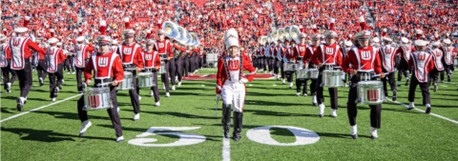
Discover how marching band can do more than make music—it can open doors to scholarships, leadership roles, and life-changing opportunities.
Read More
Where nerves meet opportunity, growth begins. Discover how one powerful experience can elevate your student’s talent—and their college application.
Read More
Professors don't just admit talent—they choose students they won't mind teaching every Tuesday morning before coffee, touring Europe with next spring, and introducing to their colleagues without bracing themselves first.
Read More
Think a music degree is out of reach because of cost? Think again. Whether you're aiming for college scholarships or exploring grants from arts organizations, this guide helps you uncover the many ways to fund your passion — and shows why applying early and often is the key to making your musical dreams a reality.
Read More

From nerves to notes, this guide helps student musicians face audition day with clarity, confidence, and control.
Read More
Shedding light on the financial freedom performing arts students deserve—and the billions in performing arts scholarships many never knew existed
Read More
Talent is just the beginning. Learn how the right moves today—owning your child's UTL name, building their brand, and shaping their story—can set your young performing artist on a path to lasting stardom.
Read More

From first solo to final audition—how a carefully curated repertoire list becomes a student’s personal record of growth, readiness, and artistic identity.
Read More
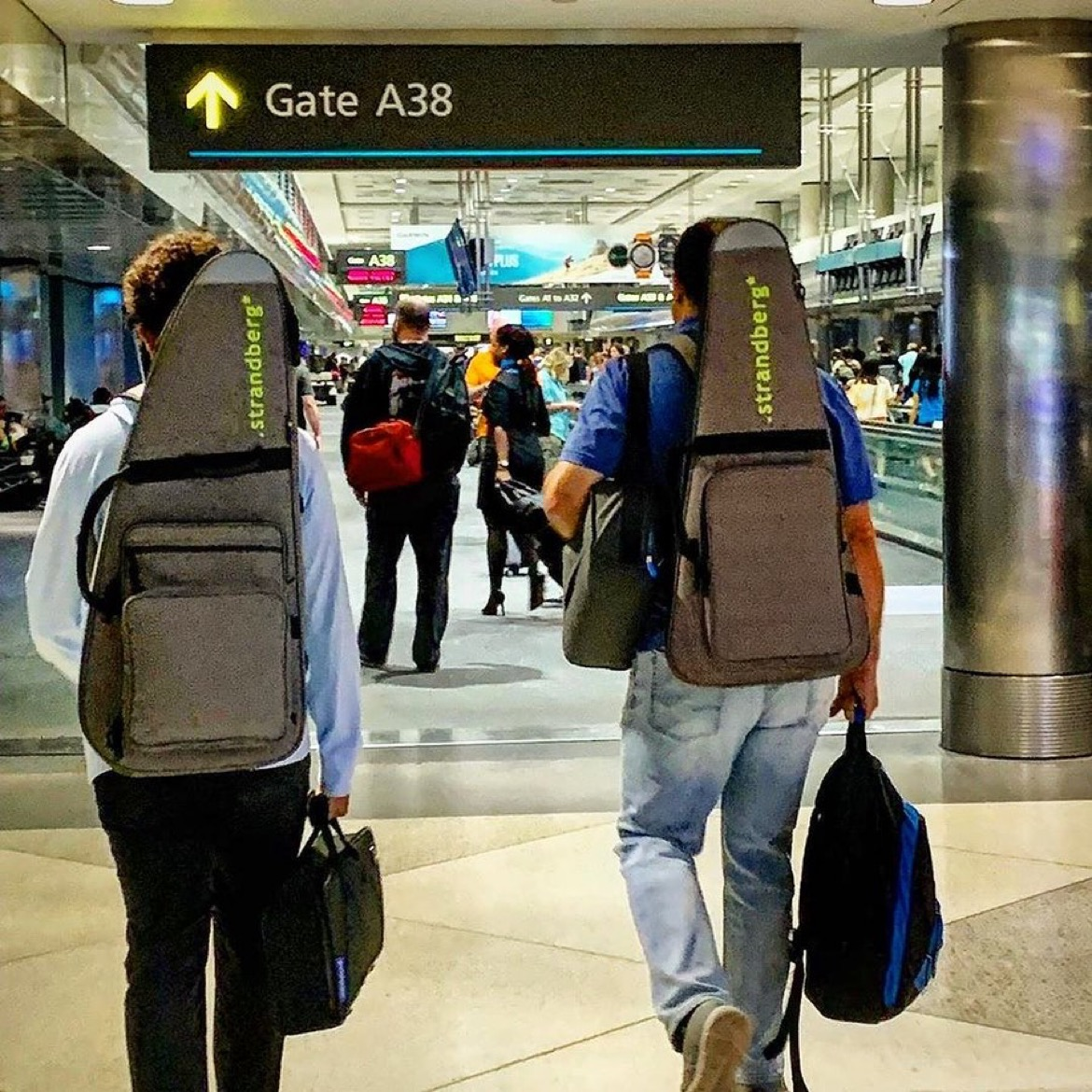
Don't let travel troubles ruin your big audition! This guide has everything you need to ensure you and your instrument arrive.
Read More

Discover how decoding a composition’s name can elevate your performance, impress adjudicators, and help you stand out from the competition.
Read More
How one meaningful connection with a music teacher can open doors to college, scholarships, and a lifelong mentorship — starting now.
Read More
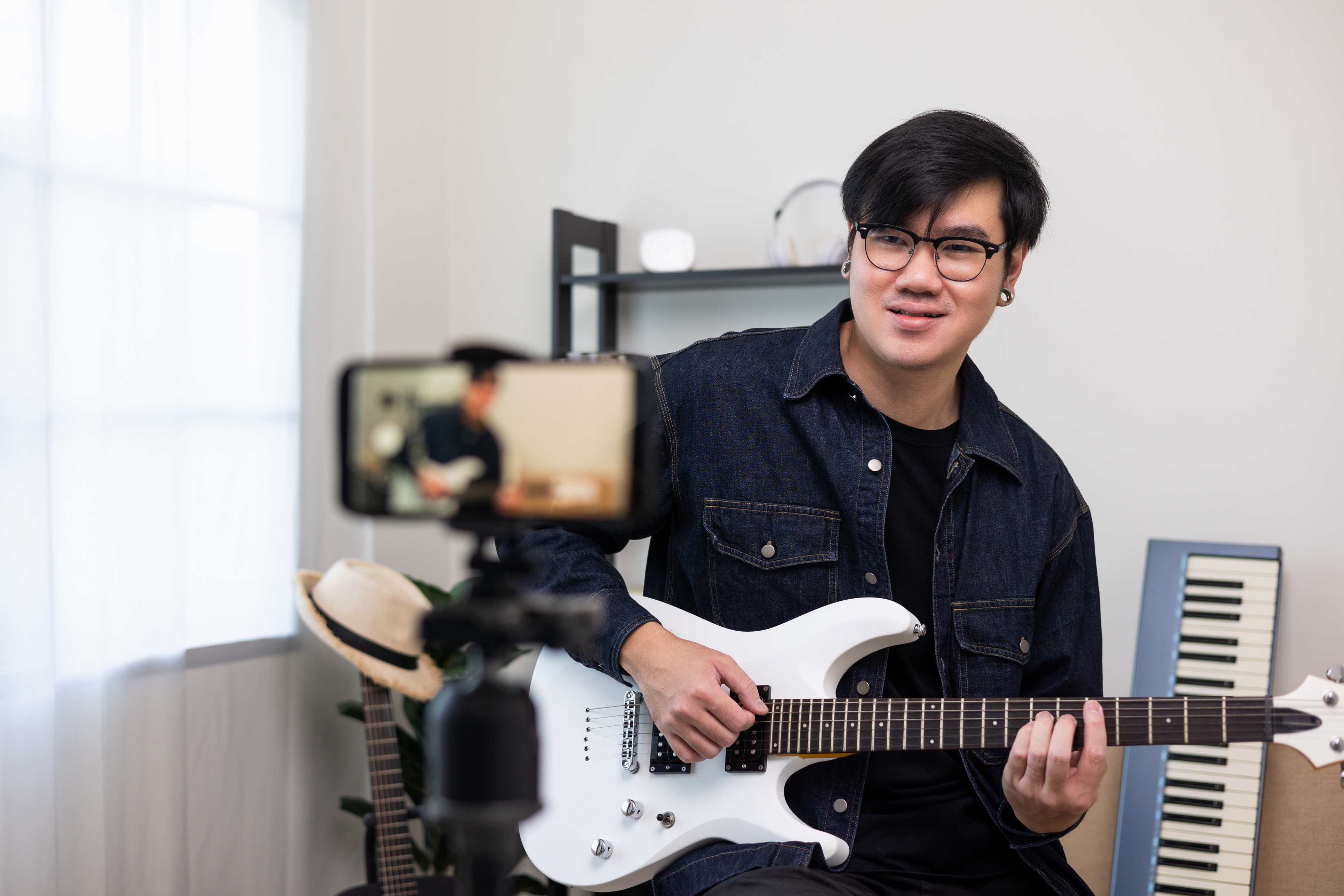
You don’t need fancy gear to capture talent — just these smart, affordable tips that could turn an audition video into a scholarship-winning performance.
Read More
Discover why a liberal arts education isn’t just about academics—it’s a powerful launchpad for aspiring musicians to thrive in every stage of their careers.
Read More
Choosing the right music degree isn't just about a major -- it's about mapping the future of your artistry. Discover the key differences between BM, BA, BFA, and BS programs and find your perfect path.
Read More
From educators, performers, and industry insiders who got tired of hearing “music isn’t a real career” and decided to answer with Broadway box-office receipts, royalty checks, and Grammy paydays.
Read More

Where Purpose Meets Performance: How Service Can Help Pay for Your Music Degree.
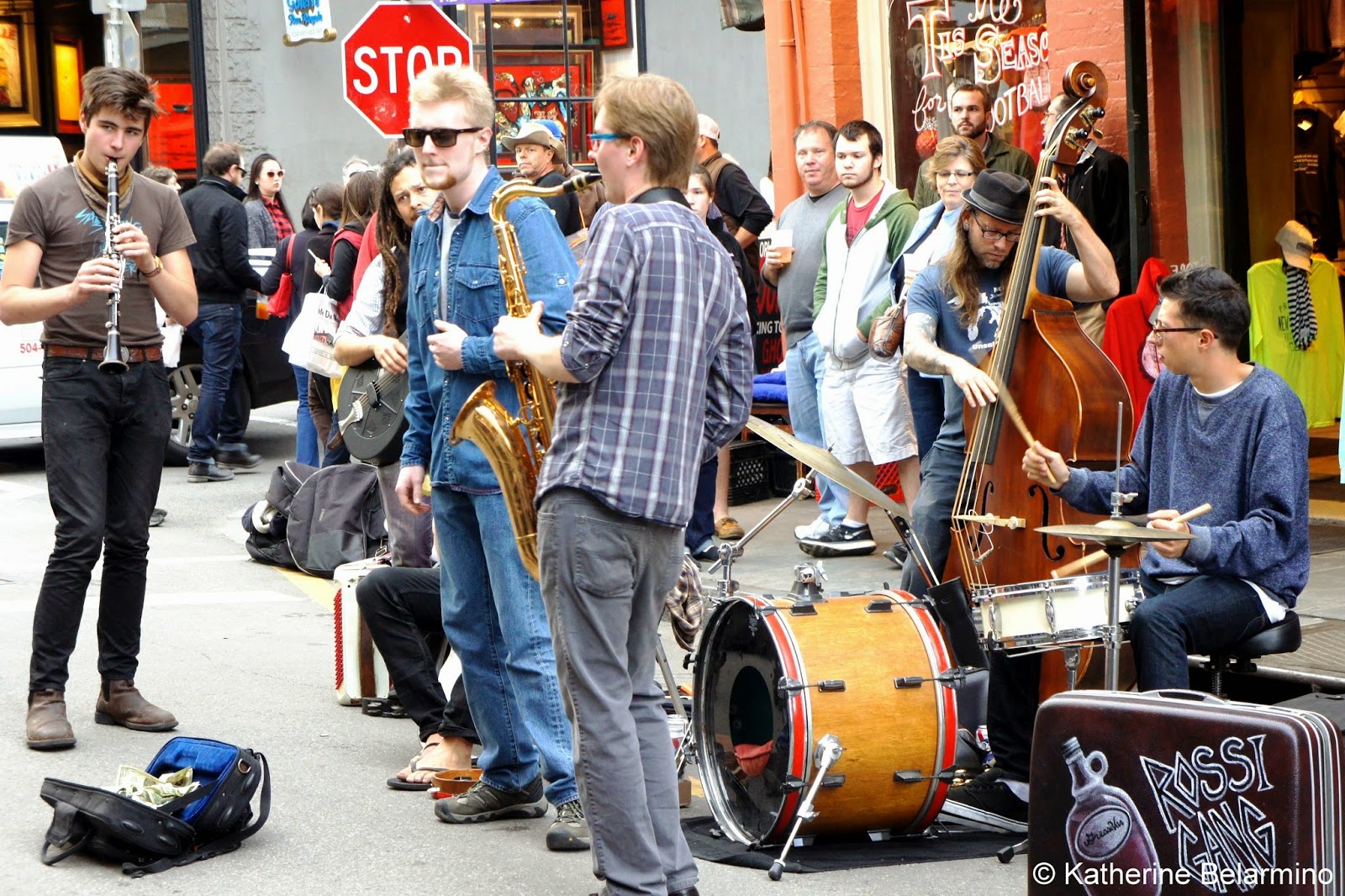
Read MoreFor those navigating the leap from talent to training and tuning both heart and mind to what’s next—this is your guide to finding the path that fits, connects, and inspires.
Read More
A month-by-month roadmap designed to help aspiring music majors confidently prepare for college auditions—one scale, solo, and strategy at a time.
Read More
Beyond the Name: Finding the Place That Helps You Find Your
Read More
Discover the real perks, the hidden costs, and how to tell if coaching is the right
Read More
Mastering college applications means mastering deadlines. Success hinges on precision, preparation, and unwavering commitment to each institution’s unique demands.
Read More
Because affording your dream school shouldn't be a dream.
Read More
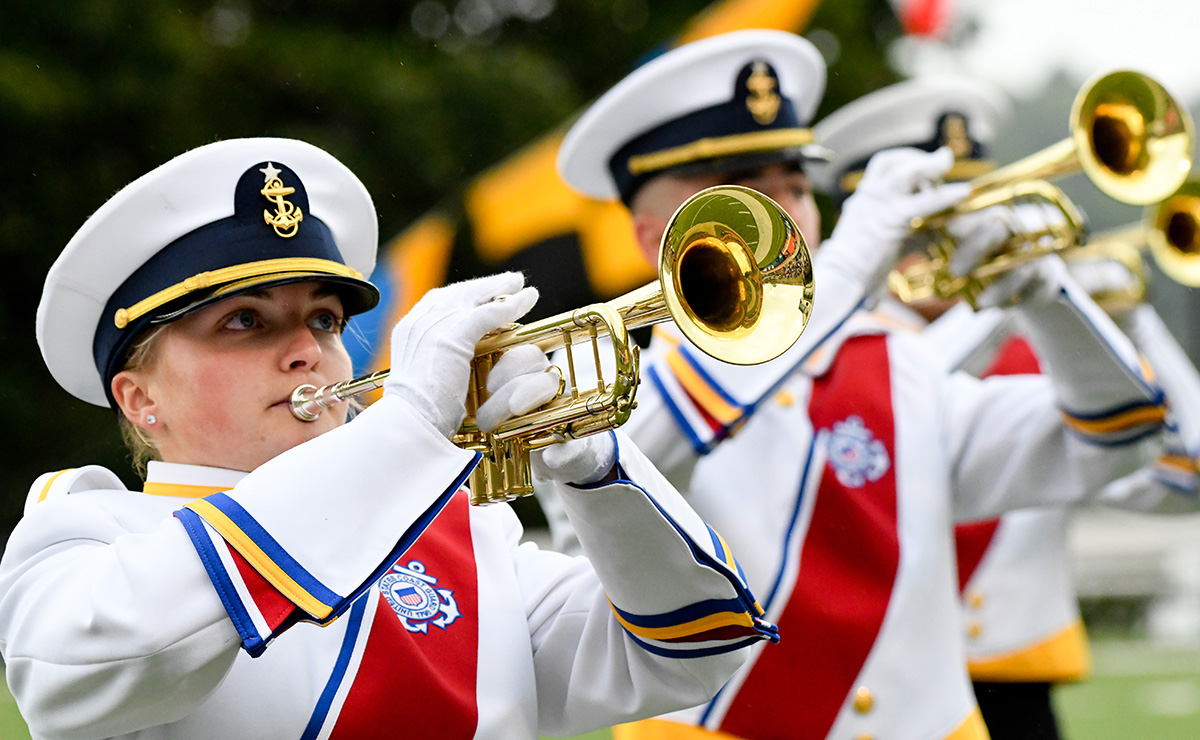
Where passion meets purpose — discover how talented musicians turn their love for music into a professional career serving their country.
Read More
The music industry fuels the U.S. economy, driving schools to recruit creative, business-savvy students. Scholarships now target songwriters.
Read More
How young artists can launch their careers and travel the world — without a college degree.
Read More
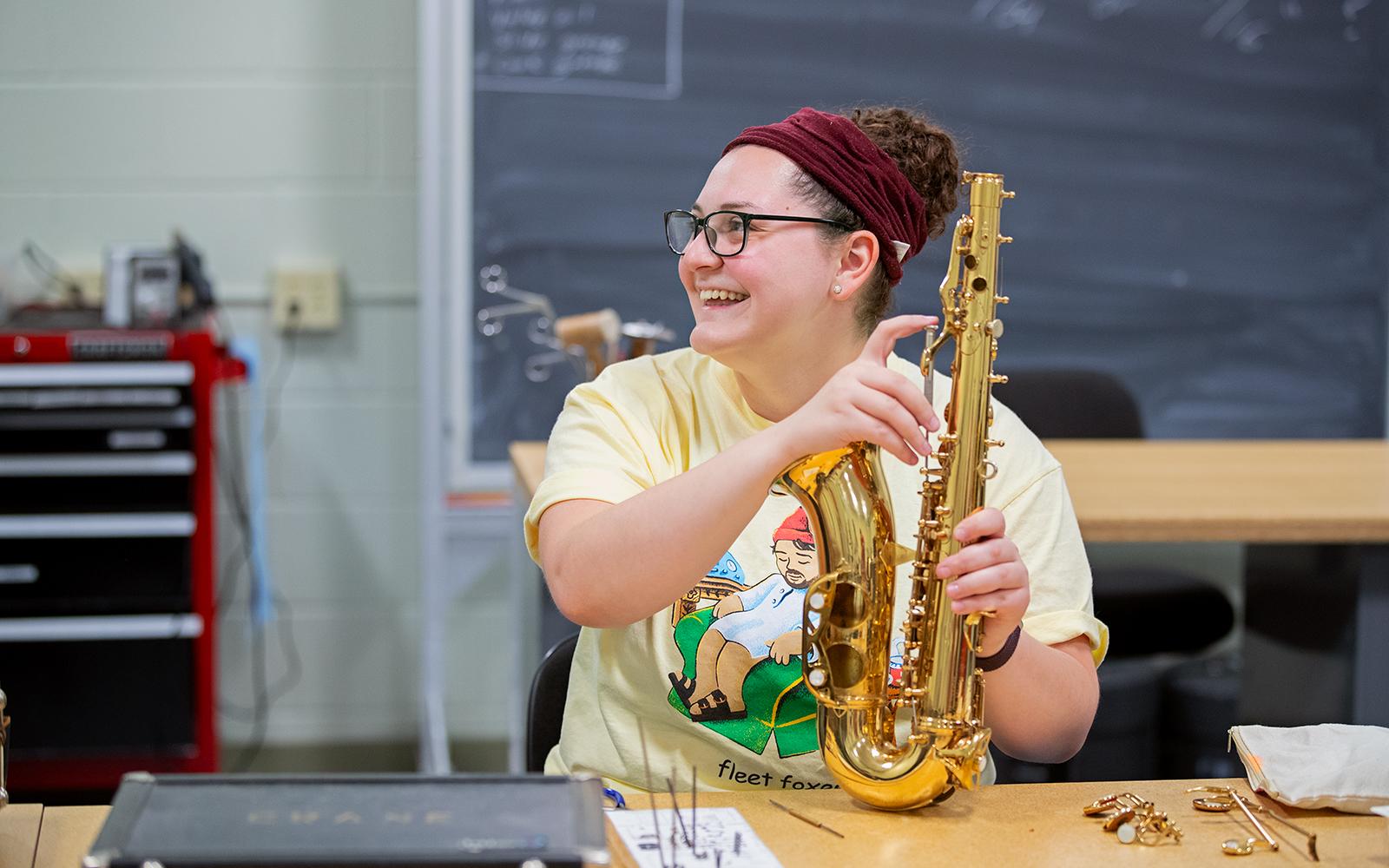
Because your talent deserves more than applause, it deserves a paycheck.
Read More
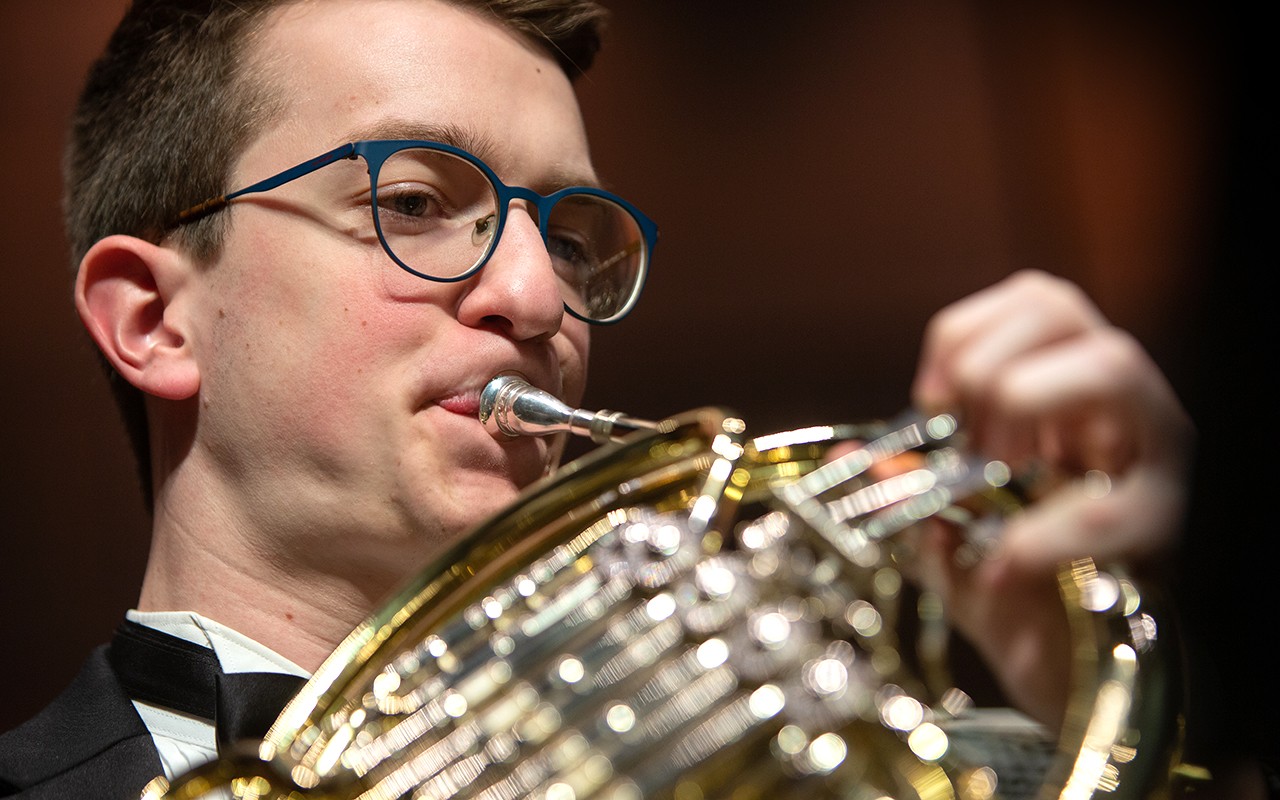
It’s not about impressing—it's about expressing.
Read MoreThe Accoladi Research Team is constantly tracking trends in performing arts collegiate recruiting, documenting scholarship procurement processes, and uncovering new resources for students and families. From the latest audition requirements to insider tips on securing funding, we’re always expanding our library— so, you can make informed choices with confidence.