Beyond Practice: The Strategic Advantage of Private Music Lessons
The Competitive Advantage Most Student MusiciansOverlook — and Why It Matters More Than Ever in Collegiate Music Admissions and Scholarships.
Read More

AccoladiTeacher.com is designed specifically for performing arts teachers, giving you access to resources that help guide students and their families through every step of the collegiate journey: from school selection and applications to auditions, scholarships, and acceptance.
While teachers are at the heart of this site, we also support students, parents, collegiate and summer enrichment recruiters, and school district fine arts directors. To ensure each community has a dedicated space, we've created tailored websites:
Performing Arts Teachers: this is your home base. Please continue your registration here on AccoladiTeacher.com.
Everyone else: begin your journey at the site designed for your role.
Your Audition Day Playbook: Simple Steps to Show Up Strong and Ready.
Your audition day is a pivotal moment in your academic and musical journey. As the curtain rises on this crucial day, every detail counts — and nerves may run high. But with careful preparation and a calm, confident mindset, you can overcome any anxiety and give yourself the best chance to shine.
Here's a step-by-step guide to make sure you're ready:
Weeks before your audition, map out a plan for the 48 hours leading up to it. Write down each hour and note what you'll be doing — from meals to travel to warm-up times. Then add a second sentence to each: a short note of encouragement to yourself. A clear plan will ground you and reduce day-of stress.
If you reside over an hour away from the audition venue, it's advisable to arrive the night prior and book accommodation in a hotel. Avoid staying in the dormitories with fellow high school alumni, as ensuring proper rest should be your top priority.
If traveling a long distance, aim to arrive the night before. This gives you time to settle in, get rest, and avoid the stress of unexpected travel delays. Confirm your travel itinerary, accommodations, and audition day schedule well in advance.
You want to be at your best. Prioritize a full night's sleep before your audition. Go to bed early, limit screen time, and listen to calming music if needed to relax your mind.
Plan to arrive on campus three to four hours before your audition time. Walk around, find the audition location, and give yourself time to change from your travel clothes into your performance attire. Fuel your body with a nutritious meal to maintain energy throughout the day.
Your clothing should reflect professionalism without distraction. Avoid overly casual outfits like shorts and flip-flops, but also steer clear of formalwear that overshadows your talent — no sequined gowns or tuxedos. Dress neatly and modestly to let your music take center stage.
Double-check that all paperwork is completed accurately and submitted on time. Some schools provide audition information sheets upon arrival — fill these out neatly and carefully. Faculty notice the details. Bring extra copies of your music, neatly numbered for easy reference.
Schedule a rehearsal with your accompanist at least an hour before your audition. Have your music clearly marked with tempos, cues, and any special instructions. If you are responsible for paying the accompanist, handle the payment promptly and professionally during your rehearsal.
Set aside time to warm up thoroughly — both your instrument and your mind. Engage in deep breathing exercises to settle nerves and center yourself before entering the audition space.
Maintain a self-assured posture. Hunching forward makes you look less confident. Stand up straight, act like you are balancing a book on your head, and your feelings will quickly improve.
Approach with confidence and a warm smile. Tune your instrument clearly and confidently. Play your tuning note — no extra riffs or high notes — and wait patiently for the panel's cue to begin.
Once you start, focus solely on your performance. Do not look for cues or reactions from the faculty. If you make a mistake, keep going without reacting. Remember: many minor mistakes go unnoticed — but visible frustration does not. Finish strong, smile, and thank the panel for their time.
Thank your accompanist immediately after your audition. Stay composed and save any emotional reactions for a private space away from the audition room. Once you have a moment, jot down your reflections:
Every audition is a learning opportunity — a step forward on your journey.
Your audition day is not just a test of musical ability — it's a reflection of your dedication, professionalism, and resilience. Trust your preparation, embrace the journey, and remember: every audition is one more step toward the musician you are becoming.
Good luck — and enjoy the moment.
ARTICLE GLOSSARY
Accompanist: A pianist who plays with the student during an audition to support their solo performance.
Audition Panel: A group of faculty members or judges who evaluate the student's performance during the audition.
Audition Repertoire: The pieces of music selected and prepared by the student to perform during their audition.
Breathing Exercises: Controlled breathing techniques used to calm nerves and prepare mentally before a performance.
Campus Layout: The map or physical layout of a college or university — important for finding audition buildings and warm-up spaces ahead of time.
Dress the Part: Wearing appropriate, professional clothing that is respectful but doesn't distract from the performance.
Logistics: The detailed planning and coordination of all the practical elements of the trip, including travel, accommodations, and scheduling.
Paperwork: Forms or documents required by the audition committee, usually including application sheets, music lists, and sometimes résumés.
Performance Etiquette: Proper behavior during and after a performance — includes tuning properly, waiting for instructions, not reacting to mistakes, and thanking the panel.
Photocopies (of Music): Copies of sheet music students must bring for the judges and their accompanist; usually required for official evaluation.
Reflection Notes: A student's private notes written after the audition to record what went well and what could be improved.
Rehearsal: A scheduled practice session between the student and their accompanist before the actual audition performance.
Self-Encouragement Note: A personal positive message written to oneself to boost confidence during stressful moments before an audition.
Tuning Note: A specific pitch (such as an A for many instruments) played at the beginning of the audition to make sure the instrument is in tune.
Warm-Up: Pre-audition exercises to physically and mentally prepare — can include scales, vocal exercises, or breathing routines.
Objective: Students will develop a personalized audition day plan that demonstrates preparation, professionalism, and effective time management skills necessary for successful collegiate music auditions.
Rationale: Preparing for a college audition requires more than musical excellence — it demands planning, organization, and professionalism. By learning how to structure the final 48 hours before an audition, students will build critical skills that set the tone for a confident, polished performance. This preparation not only supports their musical success but also leaves a positive impression on adjudicators and faculty, reflecting their commitment and maturity.
📚 Student Assignment:
Title: 48-Hour Audition Plan
Instructions:
Submission: Submit your 48-hour schedule and reflection paragraph on __________________ [Date Due]. Be sure it's neatly organized and clearly shows thoughtful planning.
Rubric: "Audition Day Planning Excellence"
| Category | Excellent (10) | Good (8) | Needs Improvement (5) |
|---|---|---|---|
| Schedule Detail | Complete, clear, and covers 48 hours | Mostly complete, minor gaps | Incomplete or missing many details |
| Encouragement Notes | Thoughtful and included for each hour | Some encouragement notes missing | Few or no encouragement notes |
| Checklist Items | All key logistics and essentials included | Most logistics included | Missing important logistical details |
| Reflection | Clear and thoughtful explanation | Somewhat thoughtful but brief | Lacks clarity or depth |
| Neatness & Organization | Easy to read and well-organized | Minor formatting issues | Disorganized or hard to follow |
Grading Scale
| Total Points | Letter Grade | Evaluation |
|---|---|---|
| 45–50 points | A | Outstanding preparation and organization; exceeds expectations in all areas. |
| 40–44 points | B | Strong preparation with minor areas for improvement; meets expectations. |
| 35–39 points | C | Adequate preparation; several missing or weak components. |
| 30–34 points | D | Limited preparation; significant missing elements or poor organization. |
| Below 30 points | F | Incomplete or minimal effort; does not meet basic assignment requirements. |
Dear _________________________ Parents,
Congratulations!
You've survived beginner band concerts, late-night practice meltdowns, and the year they insisted they only needed one reed for all of marching season. And now — drumroll, please — we've arrived at the college audition.
This is it.
The moment when your teenager's future hangs delicately in the balance — and so does your blood pressure.
Before you break into a cold sweat or plan a full-blown tailgate party outside the audition hall, let me help. They've put together a guide over at Accoladi.com called: "Just Hours Before: A Step-by-Step Guide to Your College Music Audition." And trust me, it's worth a read, because here's what they've learned after years of watching these audition days up close:
Top Mistakes Parents Make:
What Your Child Actually Needs:
Your Job as a Parent:
And after it's all over? Please, please don't interrogate them the second they step out of the room. Give it 10 minutes. Maybe a full iced coffee. Trust me — they'll tell you everything you didn't want to know soon enough.
If you want to get a real insider's view (and save yourself a few gray hairs), read the full article now on Accoladi.com.
Remember, they've worked for years to get here — and so have you. Whether they nail it or not, you're still the MVP who bought the reeds, paid for the lessons, and endured the "tuning" phase.
You deserve a standing ovation — and maybe a nap.
Your In-the-Trenches Music Director,
________________________________________ (Director's Name and Position)
_______________________________________________________ [School Name]
Start your college journey with confidence!
Browse our library of helpful articles and directories made just for performing arts students and their families. Whether you're choosing a school, planning campus visits, preparing for auditions, applying for scholarships, or getting ready to submit applications—this is your go-to place for everything college.

The Competitive Advantage Most Student MusiciansOverlook — and Why It Matters More Than Ever in Collegiate Music Admissions and Scholarships.
Read More

Explore how combining music with another field can open doors to exciting career opportunities.
Read More

Get ahead in your music education journey with strategic dual enrollment opportunities.
Read More
Discover proven strategies to build meaningful relationships with college music departments before you apply.
Read More
From Baroque to modern, fast to lyrical—contrasting solos reveal a musician's full range in college auditions.
Read More
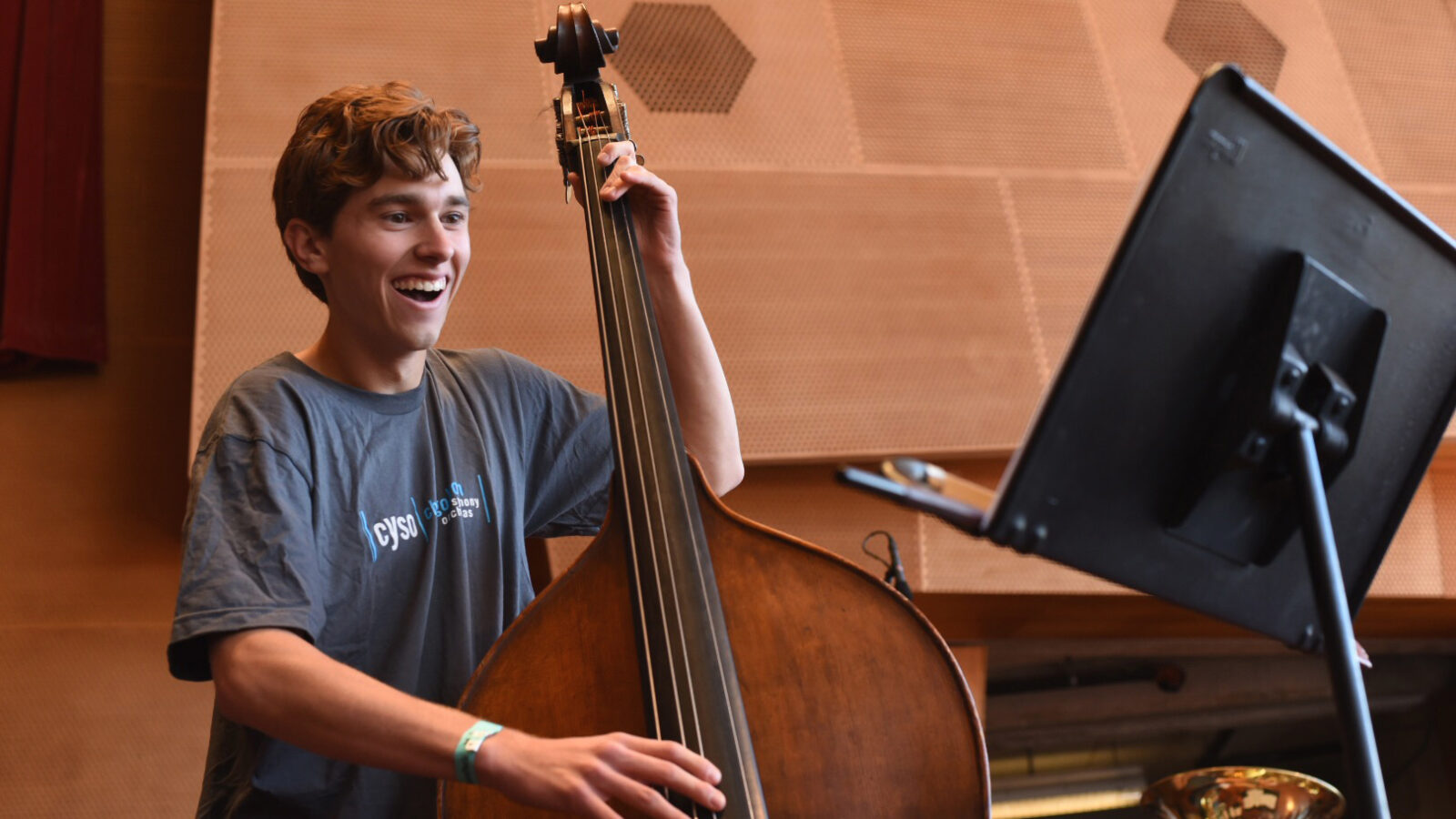
Discover why mastering just a few bars of music can make or break an audition and reveal your potential.
Read More
Make a great first impression with proper college visit etiquette and smart questions.
Read More

A comprehensive roadmap to navigate the music school application and audition process successfully.
Read More
Sometimes the smallest gestures-like a simple thank-you -- open the biggest doors. Discover how one note of gratitude changed everything.
Read More

Discover how college fairs tailored for music students can open doors to top programs and help you make meaningful connections before you ever audition.
Read More
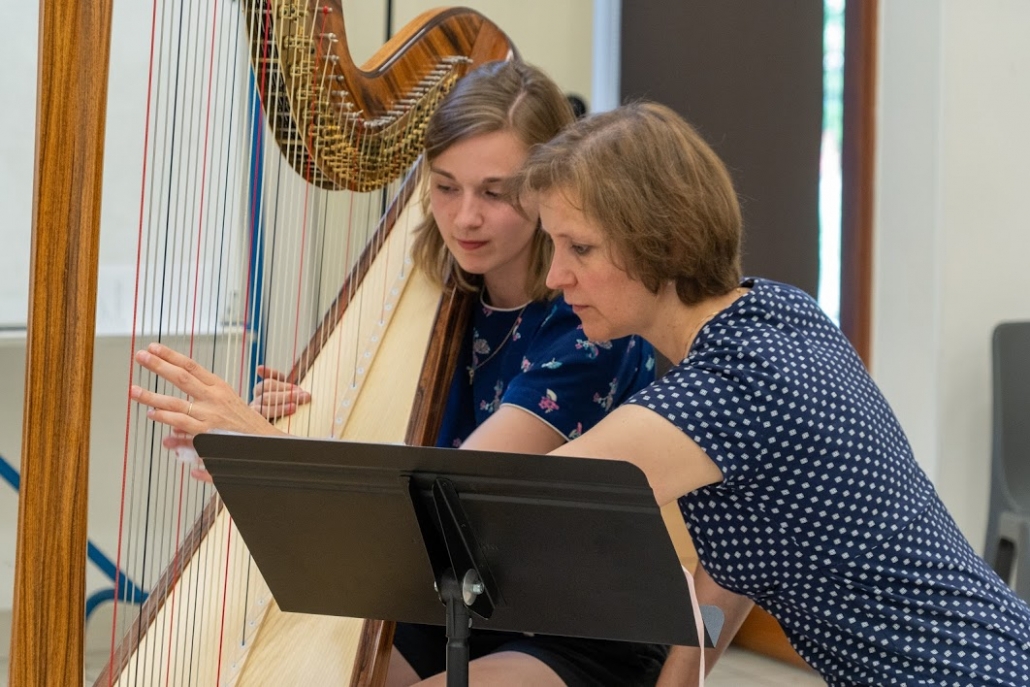
Private music lessons do more than sharpen skills — they unlock opportunity. Discover how one-on-one instruction builds confidence, hones performance, and opens doors to college auditions and scholarships.
Read More

Packed with proven strategies, expert insights, and inspiring real-life stories, it empowers musicians to turn performance anxiety into confident, expressive auditions.
Read More
Discover how marching band can do more than make music—it can open doors to scholarships, leadership roles, and life-changing opportunities.
Read More
Where nerves meet opportunity, growth begins. Discover how one powerful experience can elevate your student’s talent—and their college application.
Read More
Professors don't just admit talent—they choose students they won't mind teaching every Tuesday morning before coffee, touring Europe with next spring, and introducing to their colleagues without bracing themselves first.
Read More
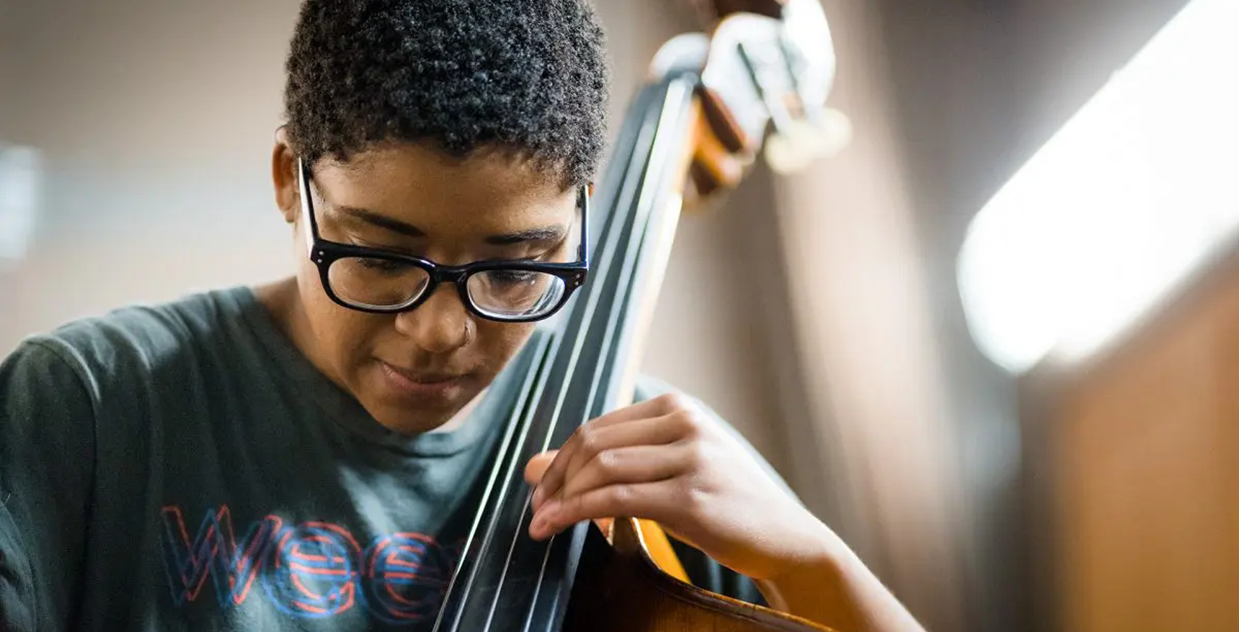
Think a music degree is out of reach because of cost? Think again. Whether you're aiming for college scholarships or exploring grants from arts organizations, this guide helps you uncover the many ways to fund your passion — and shows why applying early and often is the key to making your musical dreams a reality.
Read More

From nerves to notes, this guide helps student musicians face audition day with clarity, confidence, and control.
Read More
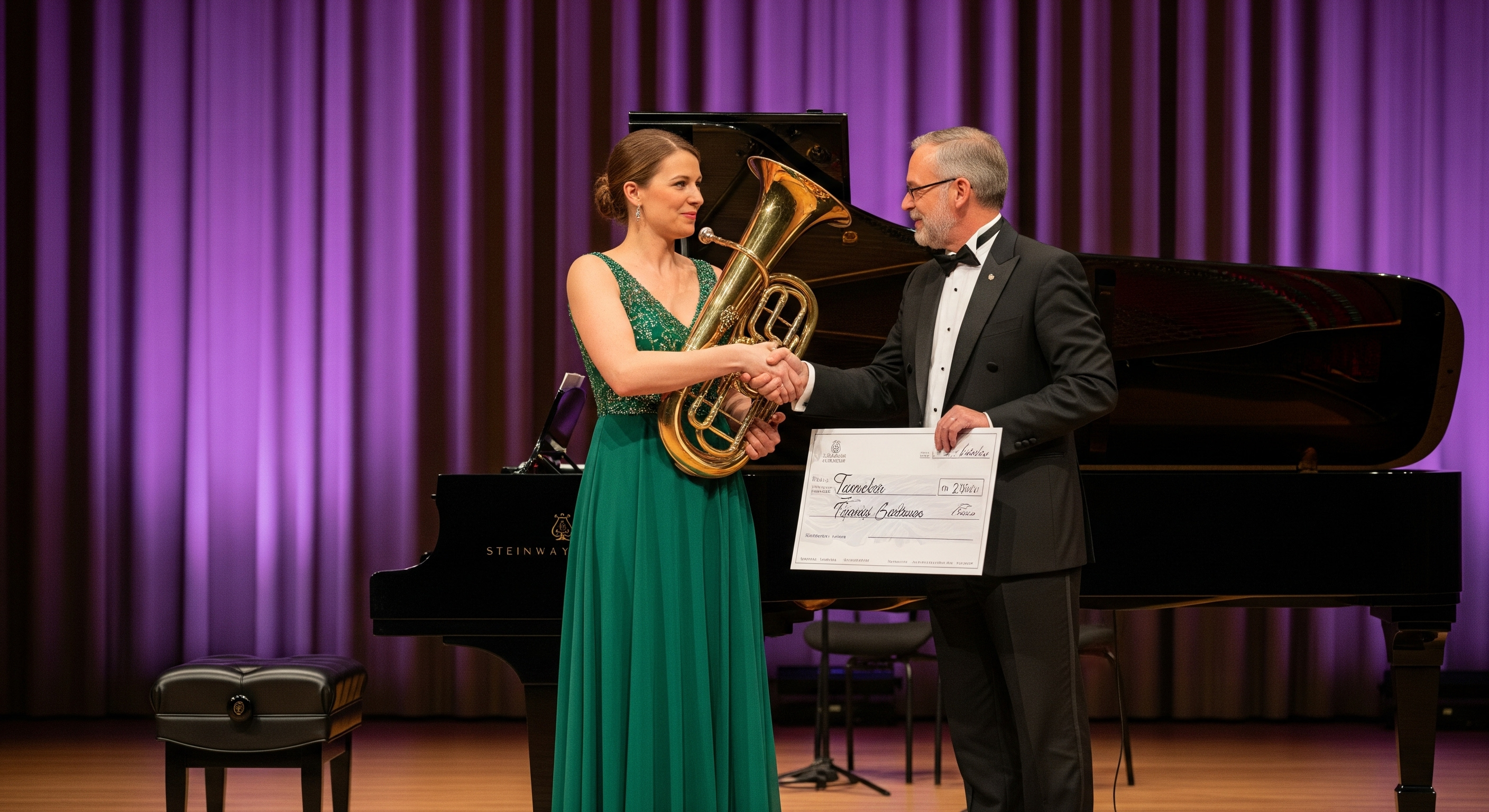
Shedding light on the financial freedom performing arts students deserve—and the billions in performing arts scholarships many never knew existed
Read More
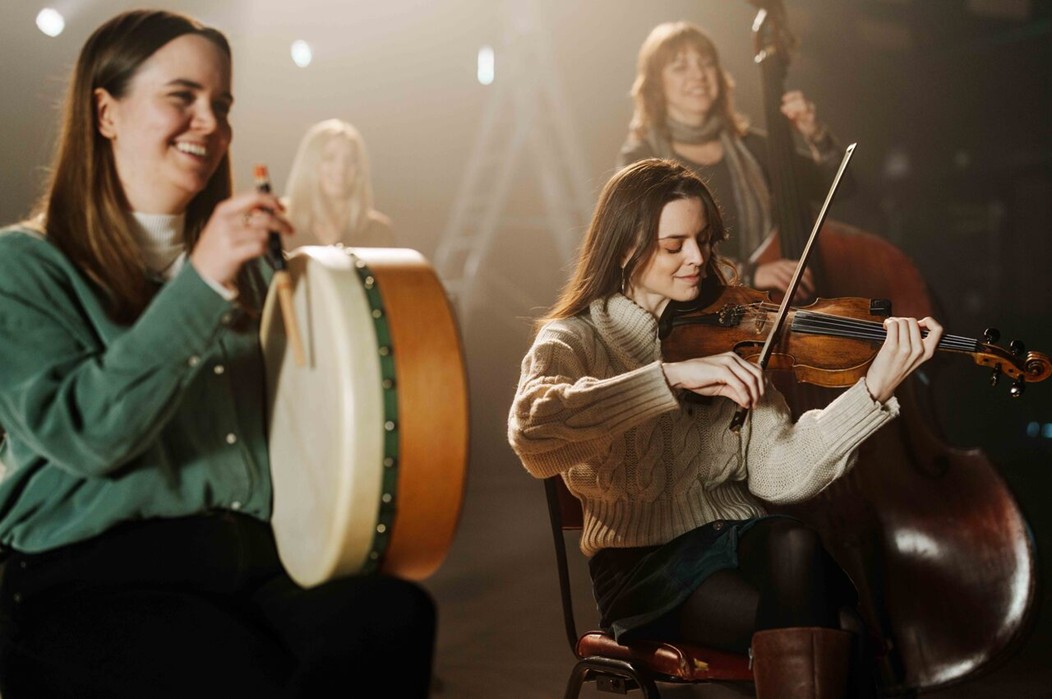
Talent is just the beginning. Learn how the right moves today—owning your child's UTL name, building their brand, and shaping their story—can set your young performing artist on a path to lasting stardom.
Read More

From first solo to final audition—how a carefully curated repertoire list becomes a student’s personal record of growth, readiness, and artistic identity.
Read More

Don't let travel troubles ruin your big audition! This guide has everything you need to ensure you and your instrument arrive.
Read More

Discover how decoding a composition’s name can elevate your performance, impress adjudicators, and help you stand out from the competition.
Read More
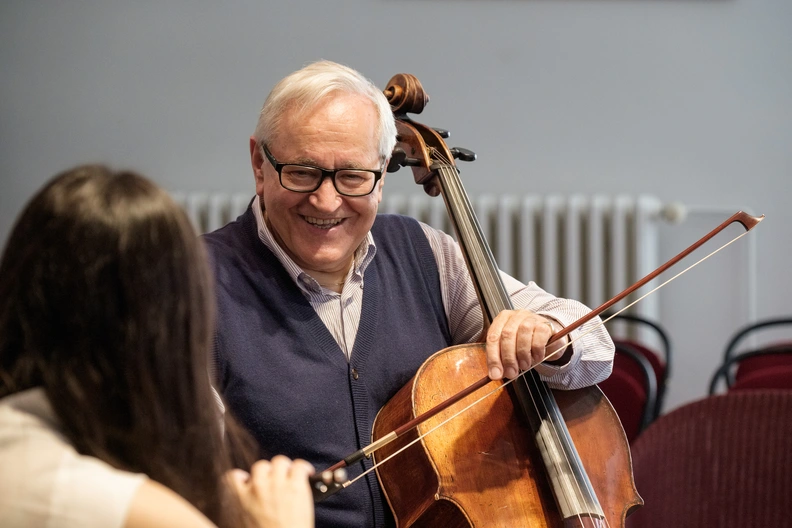
How one meaningful connection with a music teacher can open doors to college, scholarships, and a lifelong mentorship — starting now.
Read More
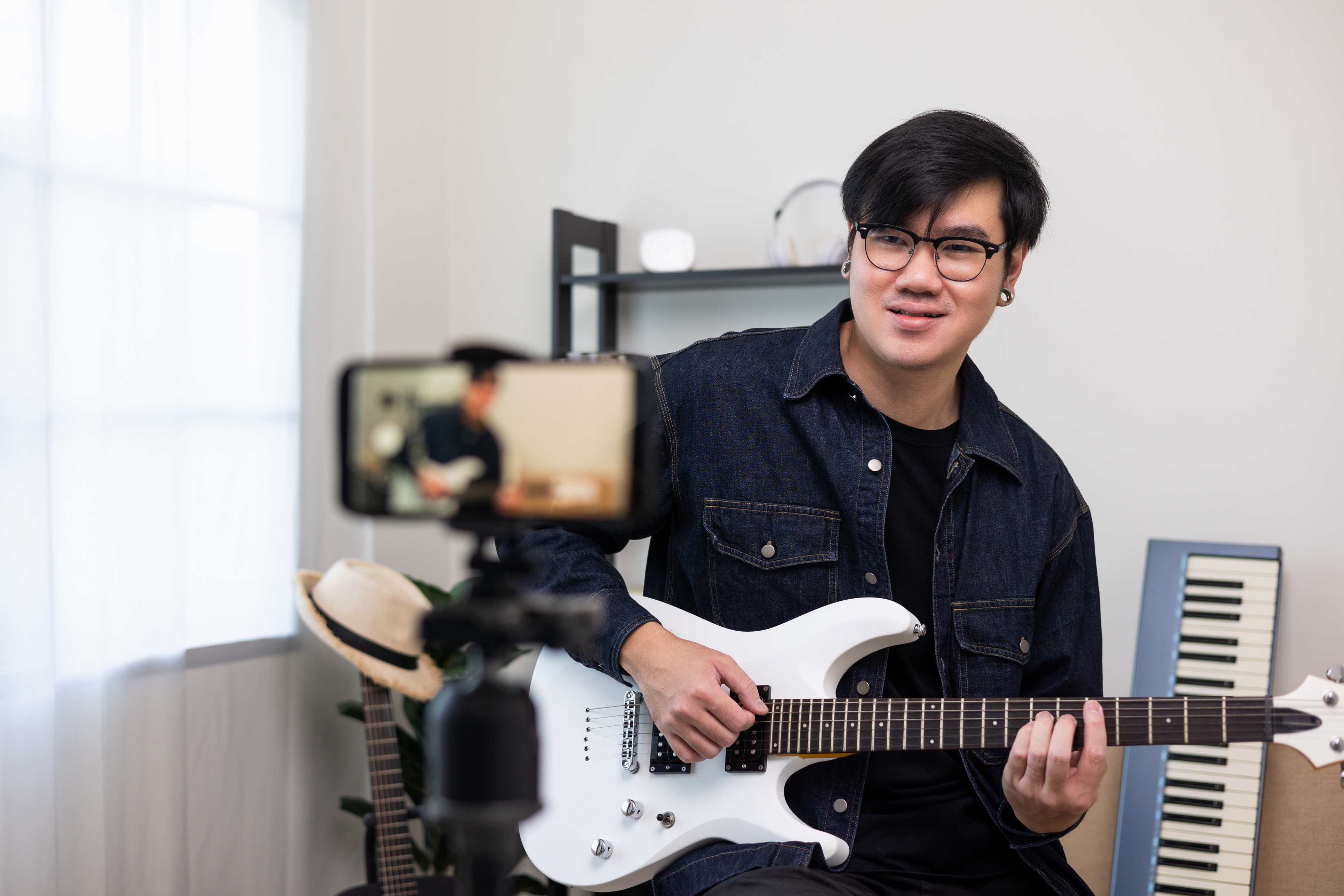
You don’t need fancy gear to capture talent — just these smart, affordable tips that could turn an audition video into a scholarship-winning performance.
Read More
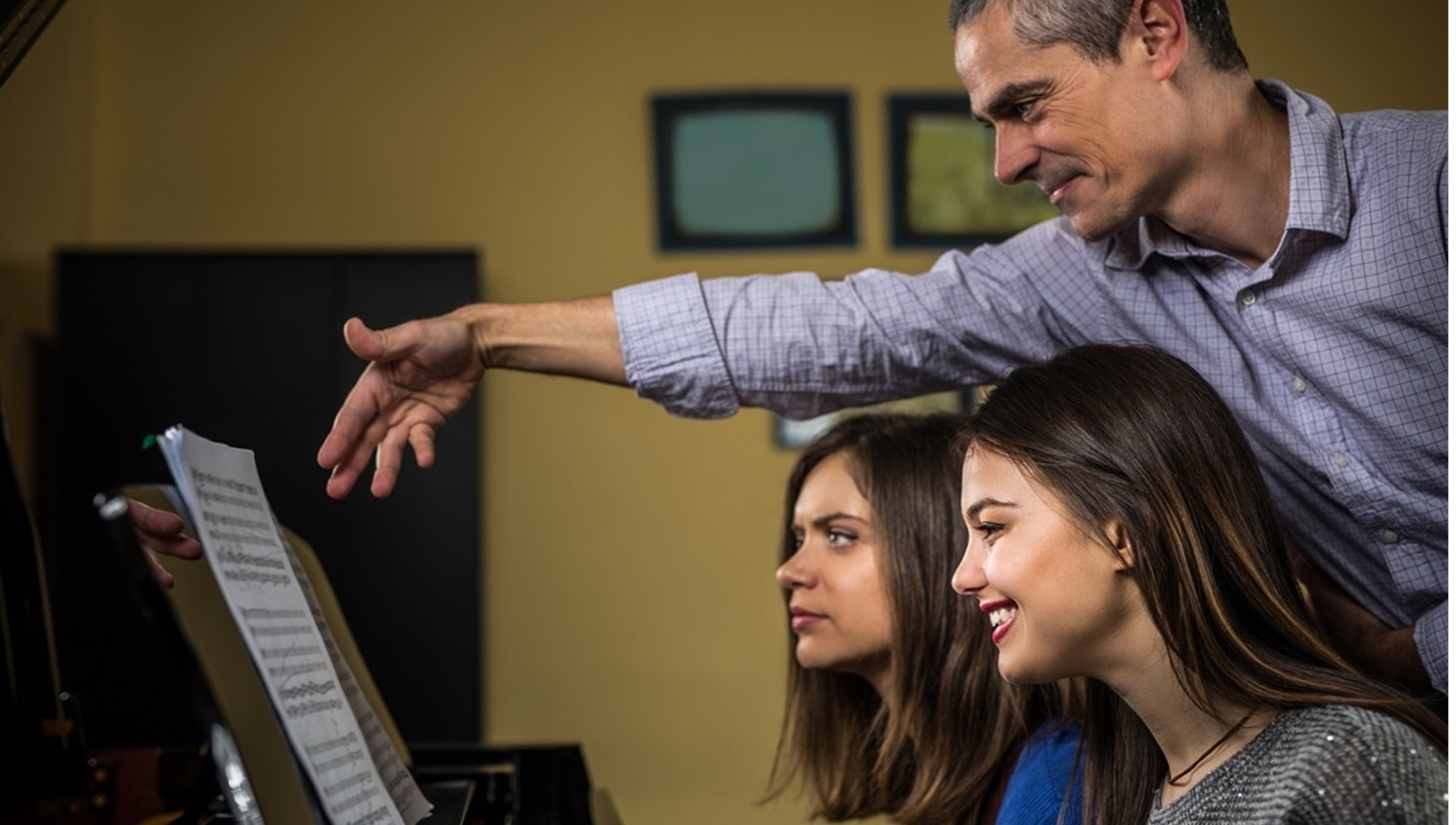
Discover why a liberal arts education isn’t just about academics—it’s a powerful launchpad for aspiring musicians to thrive in every stage of their careers.
Read More
Choosing the right music degree isn't just about a major -- it's about mapping the future of your artistry. Discover the key differences between BM, BA, BFA, and BS programs and find your perfect path.
Read More
From educators, performers, and industry insiders who got tired of hearing “music isn’t a real career” and decided to answer with Broadway box-office receipts, royalty checks, and Grammy paydays.
Read More

Where Purpose Meets Performance: How Service Can Help Pay for Your Music Degree.
Read MoreFor those navigating the leap from talent to training and tuning both heart and mind to what’s next—this is your guide to finding the path that fits, connects, and inspires.

Read More
A month-by-month roadmap designed to help aspiring music majors confidently prepare for college auditions—one scale, solo, and strategy at a time.
Read More
Beyond the Name: Finding the Place That Helps You Find Your
Read More
Discover the real perks, the hidden costs, and how to tell if coaching is the right
Read More
Mastering college applications means mastering deadlines. Success hinges on precision, preparation, and unwavering commitment to each institution’s unique demands.
Read More
Because affording your dream school shouldn't be a dream.
Read More

Where passion meets purpose — discover how talented musicians turn their love for music into a professional career serving their country.
Read More
The music industry fuels the U.S. economy, driving schools to recruit creative, business-savvy students. Scholarships now target songwriters.
Read More
How young artists can launch their careers and travel the world — without a college degree.
Read More
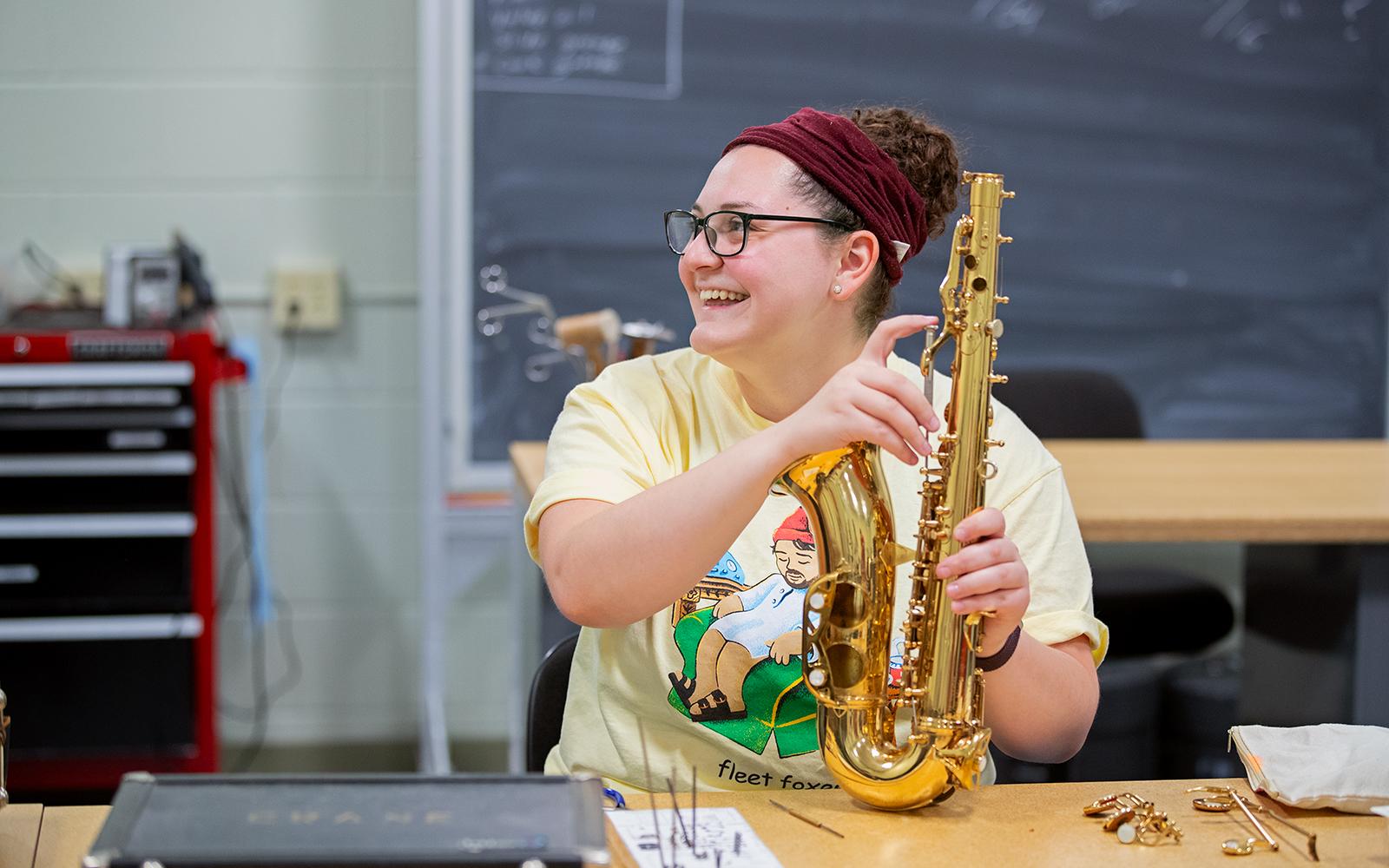
Because your talent deserves more than applause, it deserves a paycheck.
Read More
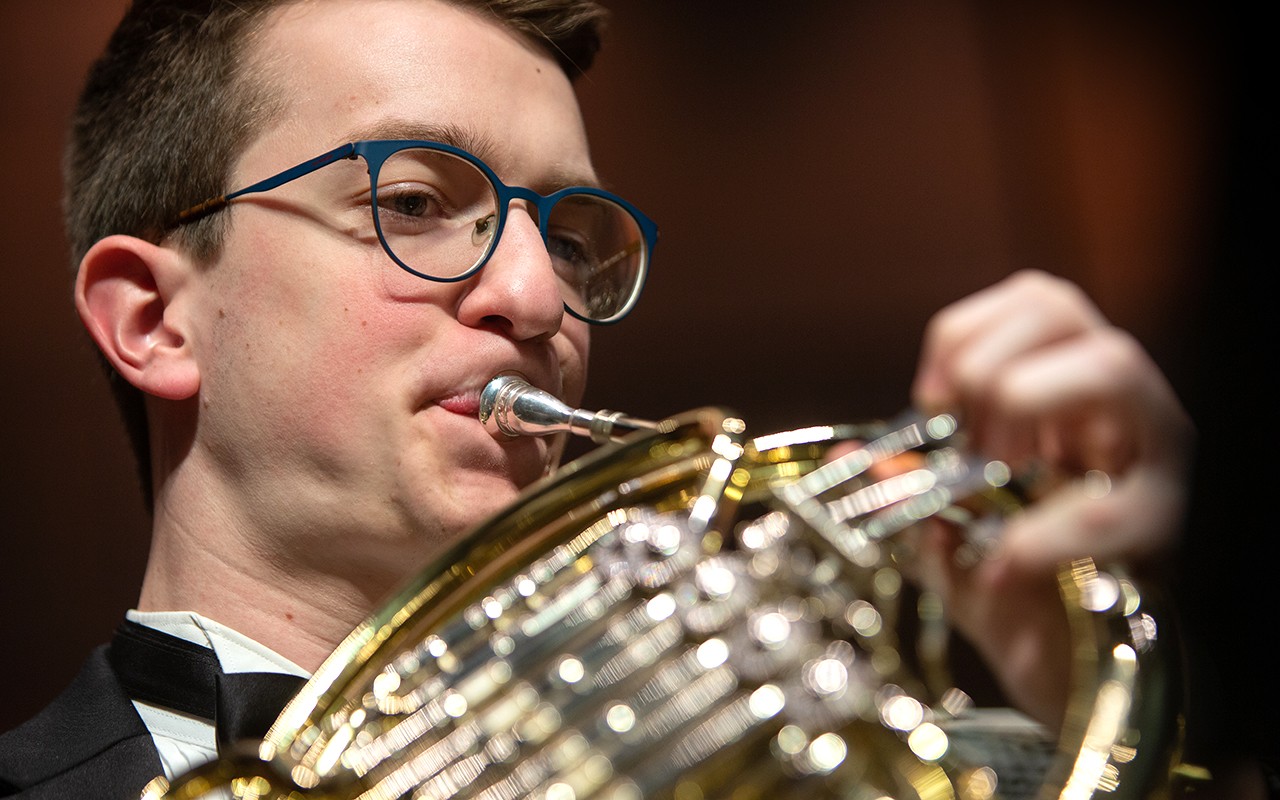
It’s not about impressing—it's about expressing.
Read MoreThe Accoladi Research Team is constantly tracking trends in performing arts collegiate recruiting, documenting scholarship procurement processes, and uncovering new resources for students and families. From the latest audition requirements to insider tips on securing funding, we’re always expanding our library— so, you can make informed choices with confidence.